


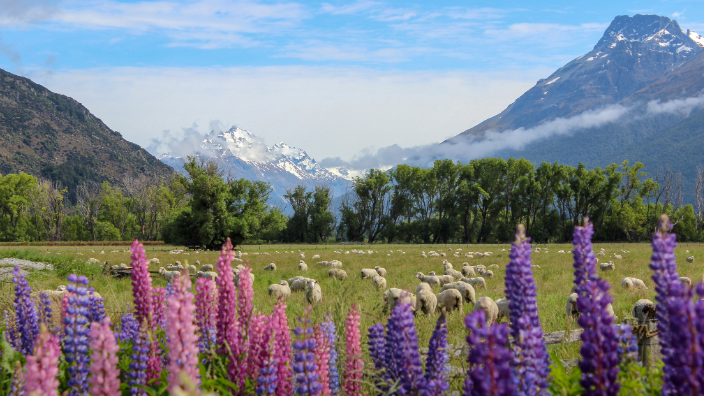
Spring in New Zealand is pure opportunity.
From September to November, travel gets a little cheaper. There are fewer crowds and everything feels more open - space, time, sky, your schedule.
The weather? Perfectly mild. And the scenery? Unimaginably stunning.
So if you're craving a getaway that's packed full of value and won't break the bank, then New Zealand in spring is a fantastic option.
Why go to New Zealand in spring?
September to November is springtime in New Zealand. It’s the season no one talks about - but they should. Flights are cheaper, hostels and Airbnbs have plenty of vacancies, and you won’t be jostling for space at popular lookouts.
It's also perfect for solo travellers. The country feels safe, and the laid-back lifestyle makes it easy to meet new people. Locals have a warm, welcoming mentality, and there’s a calmness that seems to settle over everything.
Something else you’ll notice is that in New Zealand, people work to live, not the other way around. The whole country feels like a limitless, idyllic place, with room to breathe and time to explore.
What’s the weather like in spring in New Zealand?
Average temperatures between September and November are 16-19˚C. In other words: perfect.
Spring days start cool and end warm. It’s dry, with just enough crispness at night to sleep well in a van or under canvas. You’ll get long daylight hours too, without the blaring summer heat.
This is the ideal window for pristine hiking. It's cool enough to push yourself and warm enough to enjoy it. You can bike, walk, swim and climb on the same day if you want to.
The skies are clear around this time of year, too, especially in remote areas classified as International Dark Sky Places. The views are inspiring, with a full picture of the stars and no light pollution to wash them out.
How can you travel cheap and still see everything?
Hit the road
Spring’s off-season rates make this a great time to rent a car or van. It’s great for road trips, whether you’re in an RV or a secondhand station wagon. Campervans double as transport and shelter. They are practical and easy to park.
You’ll find legal, low-impact places to camp almost everywhere. Freedom camping in incredible spots is possible throughout both the North and South islands. Some nights, you’ll find yourself in places that feel wholly untouched - beaches with no footprints, cliffs with no fences. These discoveries make the trip unforgettable.
Choose your accommodation wisely
Hostels are everywhere and better than you'd expect. Clean dorms, full kitchens, and solid Wi-Fi are standard. You meet other travellers and can share tips, gear, stories, or dinner.
There are also tons of low-cost campsites with postcard-perfect views. Use apps to find them - many are donation-based or completely free, and they put you right at the edge of rivers and forests.
Eat well without overspending
Cooking your own meals is the way to go. Grocers and farmers' markets stock amazing local produce, and you’ll find that basics are a little pricier than here in Australia, but still affordable.
If you do eat out, it’s easy to find flavour without blowing your budget. New Zealand is known for delicious food made with care. Towns and cities have lots of fun independent cafes, with great gluten-free and vegan options. Be sure to try a cheese scone! And if you’re into sweet stuff, the ice cream is amazing after a long and challenging hike.
What can you actually do in spring?
Trek, climb, ride, repeat
New Zealand is home to an insane number of epic hiking trails, and most are free. The world-class walks - think Tongariro, Kepler and Abel Tasman - are dry, open, and mostly uncrowded this time of year.
Spring is also your last shot at winter sports. Clear skies and leftover snow mean skiing is still possible. In a single week, you could knock out hiking, biking, bungee jumping, surfing and skiing. It’s a real-world choose-your-own adventure.
And if you’re into altitude? Now’s a good time to go skydiving. The skies are clearer, and the cost is a bit cheaper than in peak season.
Spot wildlife you’ll miss in summer
Spring is alive. You’ll see seal pups, penguins, lambs and nesting seabirds. With fewer tourists around, tours feel quieter and more relaxed.
You’ll also find happy, free-roaming animals on ethical farms or wandering past your van. There are animals and birds everywhere, even in car parks and trailheads, so pay close attention.
Catch seasonal festivals and local culture
Markets and music events pick up in spring, and most are locally run and low-cost.
Sharing culture is one of life’s greatest joys here, and it comes through in small moments: at a market stall, over coffee, or beside a fire pit. You’ll eat delectable food, meet local growers and hear what life is really like in New Zealand.
Book your trip today
Experience spring in New Zealand and have the adventure of a lifetime!
Before you go
Don’t forget to notify your bank about your travel plans before you go. If you’re using an international SIM, keep in mind you won’t receive the Second Factor Authentication (2FA) sent to your Australian number – so it’s best to contact your bank to discuss your options. It’s also worth saving your bank’s international contact number in case you need support during your trip.
When it comes to your Visa card*, it’s a good idea to carry more than one card as a backup and keep them in separate places for peace of mind. Consider using your card instead of carrying large amounts of cash – it’s safer, and with Visa’s contactless payments it could reduce the risk of card skimming.
And finally, keep an eye on your account activity while you’re away and report anything unusual straight away. That way, you can stay focused on enjoying your travels.